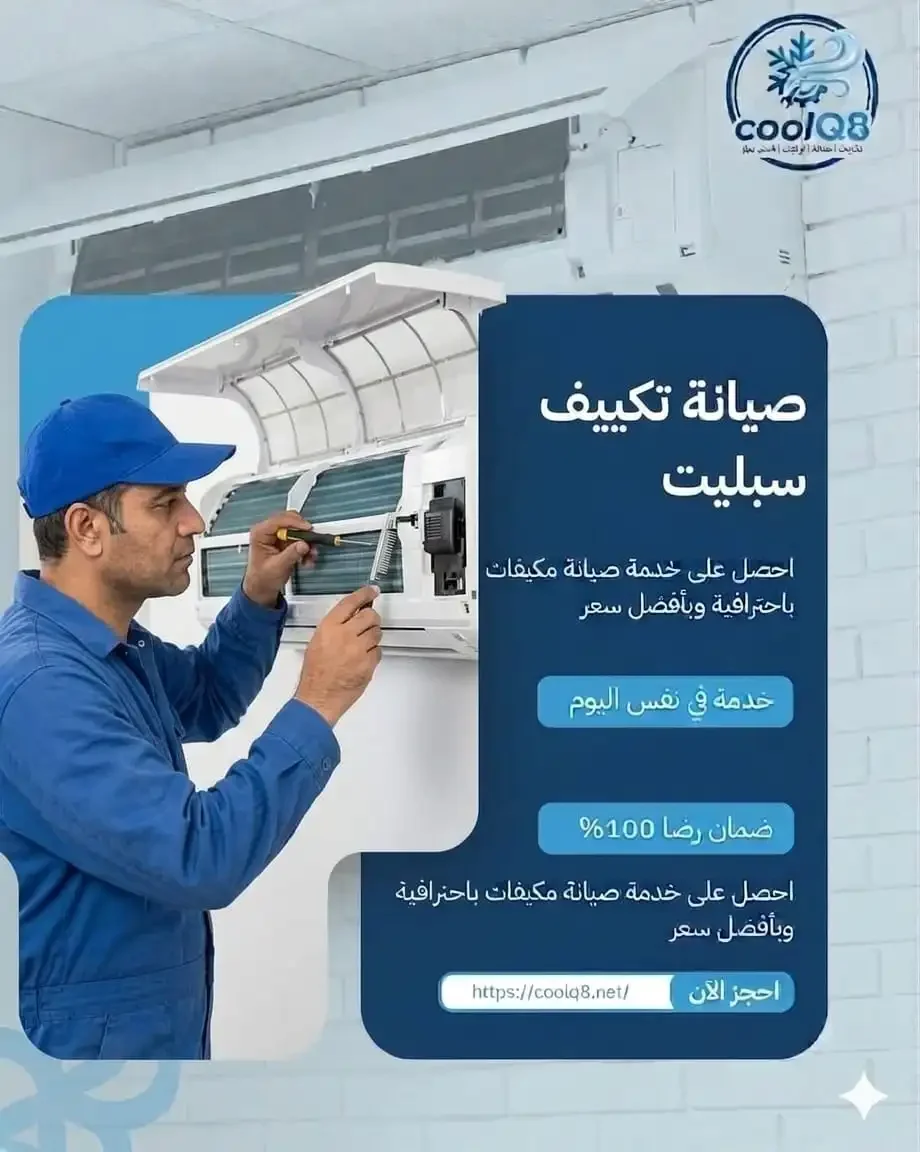
How to Tell If Your Split AC Needs Maintenance
A split air conditioner may operate normally for several months before small changes begin to appear without the homeowner noticing them. Perhaps it takes longer than usual to cool the room, makes a sound that was not there before, or stops briefly and then starts working again. These changes do not necessarily mean that a major fault has developed, but they may be early warning signs that the air conditioner needs inspection before the problem develops into an unexpected breakdown. In Kuwait’s hot climate, recognizing these signs early is particularly important for maintaining household comfort and avoiding unexpected equipment failures. This article explains which warning signs deserve attention and how to distinguish normal operating changes from problems that require a qualified technician.
Split AC Maintenance: How Can You Tell That Your Air Conditioner Is No Longer Operating Normally?

The need for Split AC Maintenance does not necessarily begin when the air conditioner stops working completely. In many cases, the system continues operating even though gradual changes in its performance have developed and may not be immediately noticeable to the user. These changes can be associated with accumulated dirt, restricted airflow, or a fault in an electrical or mechanical component. Comparing the air conditioner’s current performance with its usual operation can therefore help identify a problem before it becomes more obvious.
For example, an air conditioner may normally cool a bedroom within a reasonable period, but you might notice that it now takes longer to reach the desired temperature even though you have not changed the operating settings. This does not automatically mean that the system needs refrigerant or that its compressor is faulty. Higher outdoor temperatures or an increased heat load inside the room can produce the same result.
The better approach is to observe changes that occur repeatedly under similar operating conditions rather than judging the air conditioner’s performance based on a single incident. If the difference continues after you have checked the settings and confirmed that nothing is obstructing airflow, it may be time to request a professional inspection to identify the actual cause.
The following indicators can help you recognize when maintenance may be necessary:
-
A change in normal cooling performance: If you notice that the air conditioner takes longer to cool the room under similar conditions, it is important to check filter cleanliness and airflow before assuming that the problem involves the refrigerant charge or an internal component.
-
New sounds during operation: If the system begins producing repeated clicking, vibration, or rubbing sounds that were not previously present, there may be a problem with the mounting of a component or the movement of the fan, making inspection advisable before the system continues operating for extended periods.
-
An unusual change in the operating cycle: If the air conditioner repeatedly stops and restarts after short periods without reaching the requested temperature, the problem may involve the controls, airflow, or another system component.
-
Moisture appearing in an unusual location: If you notice water leaking from the indoor unit or damp patches forming around it, do not ignore the problem because it may be associated with a blocked drainage path, incorrect unit installation, or abnormal condensation.
-
The problem continues despite correct settings: If you have confirmed that cooling mode is selected, the temperature is set appropriately, and the windows are closed, but performance remains different from normal, a professional inspection can identify the cause instead of relying on random repair attempts.
Signs That Your Split AC Needs Maintenance During Everyday Operation
The Signs That Your Split AC Needs Maintenance vary according to the nature of the problem and where it develops inside the system. Some warning signs can be noticed through the air coming from the indoor unit, while others appear as unusual sounds or changes in how the air conditioner responds to operating commands.
It is important not to treat every symptom as conclusive evidence of a particular fault. Weak airflow, for example, may result from dirty filters, an obstruction in front of an air outlet, or a problem with the fan. Reduced cooling performance may also have several different causes that require appropriate inspection before deciding on a repair.
Similarly, not every smell coming from an air conditioner indicates a problem with the refrigeration circuit. An unpleasant odor may develop because dirt and moisture have accumulated inside the unit, while a burning smell may indicate an electrical problem that requires the system to be switched off, its power supply to be safely disconnected, and qualified assistance to be requested.
You can use everyday observations to describe the change accurately when contacting a technician. Knowing when the problem appears and which conditions accompany it can help direct the inspection toward components most closely related to the symptoms instead of replacing parts without a proper diagnosis.
Warning signs worth monitoring include the following:
-
Reduced airflow from the air conditioner: If the amount of air coming from the indoor unit becomes weaker than usual even though the fan speed has not been changed, the cause may involve the filters, fan, or an obstruction in the airflow path, and the source of the problem should be identified.
-
Cooling performance that varies during operation: If the air feels cold at certain times and repeatedly becomes less cool without an obvious change in the surrounding conditions, this may indicate a problem with system performance or temperature control.
-
An unusual smell when the system starts: Damp or musty odors may be associated with dirt accumulating inside the unit, but a burning smell or visible smoke requires the air conditioner to be switched off immediately and not restarted until it has been inspected by a qualified technician.
-
The system does not respond normally: If the air conditioner is slow to respond to operating commands or repeatedly displays fault codes, record the code and consult the equipment manual because the meaning of fault codes varies between manufacturers and models.
-
Repeated water leakage from the indoor unit: If water collects beneath the air conditioner or damp patches appear on the wall, the cause may be blocked drainage, an insulation problem, or incorrect unit positioning, and it should be identified before surrounding finishes are damaged.
When Does a Split AC Need Maintenance Instead of Waiting Until It Stops Working?
Many users wonder When a Split AC Needs Maintenance if the fan is still operating and air continues coming from the unit. The answer depends on the nature of the symptoms, how long they persist, and their effect on the system’s performance and operating safety.
It is not always necessary to request a technician because of a minor change that occurs once and then disappears. An air conditioner may take longer to cool a room on an extremely hot day than on a milder day. Its compressor may also operate for longer periods when the room is exposed to direct sunlight. These conditions alone are not enough to establish that a fault exists.
However, if the problem continues under similar operating conditions or gradually becomes more noticeable, delaying inspection may not be appropriate. Professional attention becomes more important when the problem is accompanied by water leakage, persistent rubbing sounds, unusual shutdowns, or repeated fault codes.
Some situations require the system to be switched off immediately rather than simply arranging a routine maintenance appointment. These include visible smoke, a clear burning smell, unusual electrical sounds, or a circuit breaker that trips repeatedly. In these situations, you should not repeatedly attempt to restart the system or open electrical covers to investigate the cause.
The following situations can help you determine when intervention is appropriate:
-
Cooling remains weak despite normal operating conditions: If the air conditioner is set to the correct cooling mode, the doors and windows are closed, and the system repeatedly fails to reach the requested temperature, a professional inspection is advisable instead of continually lowering the temperature setting on the remote control.
-
A problem becomes progressively worse over several days: If a fan noise starts quietly and gradually becomes more noticeable, or the amount of leaking water steadily increases, the developing symptoms indicate that the cause should be identified before the problem continues.
-
Unexpected shutdowns occur repeatedly: If the air conditioner stops and then restarts after a short period without reaching the requested temperature, the problem may involve a protective function, control system, or another component, and you should not assume that restarting means the fault has disappeared.
-
Electrical danger signs appear: If you notice a burning smell, smoke, or a circuit breaker that repeatedly trips, switch off the system, safely disconnect its power supply, and request a qualified technician without attempting to repair electrical components yourself.
-
The problem continues after a simple maintenance step: If you clean the filters using the method permitted in the equipment manual but airflow or cooling remains weak, the problem may involve another component that requires specialist inspection.
Split AC Faults That May Begin With Minor Symptoms Before Becoming More Serious
Some Split AC Faults do not initially appear as a complete breakdown. Instead, they begin with a limited change in performance that becomes more noticeable as the system continues operating. Ignoring these changes may delay identification of the problem and, in some cases, increase the eventual repair cost.
For example, a fan component may initially produce an occasional rubbing sound that later becomes continuous because of increasing wear or a mounting problem. A blocked condensate drainage path may first cause a few drops of water to appear before water begins collecting around the indoor unit.
However, not every fault develops in the same way. Some problems occur suddenly without clear warning signs, so everyday monitoring alone cannot prevent every unexpected shutdown.
Understanding the different faults that may occur helps you make an appropriate decision without confusing one problem with another.
-
Indoor-unit fan problems: These may begin with weak airflow, rubbing sounds, or unusual vibration, and a technician may need to inspect fan movement, motor condition, and mounting to determine whether the cause is mechanical or electrical.
-
Blocked condensate drainage: The problem may initially appear as a few drops of water around the indoor unit and later develop into noticeable leakage if the blockage continues or condensation cannot drain normally.
-
Temperature measurement and control problems: The user may notice an unusual difference between the requested temperature and the way the system responds, and the technician may need to inspect the sensors and control unit according to the specifications of the particular model.
-
Outdoor-unit fan failure: If the fan stops or its performance becomes weak, the outdoor unit may struggle to release heat, potentially increasing operating pressure or activating protective functions depending on the system design and the nature of the fault.
-
Refrigerant leakage: A leak may cause cooling performance to deteriorate gradually, but confirming the problem requires appropriate inspection, and weak cooling alone is not sufficient evidence to justify adding refrigerant.
Split AC Inspection: What Can You Safely Check Before the Technician Arrives?

A Split AC Inspection based on safe external observations can provide useful information when you request maintenance. This does not require opening the system, handling electrical connections, or working on refrigerant pipes.
Start by reviewing the remote-control settings and confirming that cooling mode is selected and the requested temperature is appropriate. Then observe whether air is coming from the indoor unit normally and whether the problem appears immediately after startup or only after the system has been operating for some time.
You can also check for obstructions in front of air outlets or visible dirt accumulating on removable filters if the equipment manual permits the user to inspect and clean them.
However, electrical measurements, capacitor inspection, and work involving the refrigeration circuit should be left to a qualified technician because these procedures require specialized knowledge and equipment.
-
Review the operating settings: Confirm that the air conditioner is operating in cooling mode rather than fan-only mode because an incorrect setting may cause the system to circulate air without cooling even when no actual fault exists.
-
Observe when the problem appears: Record whether weak cooling begins immediately after startup or develops after an extended operating period because this information may help the technician select appropriate diagnostic tests.
-
Check for external obstructions: Make sure furniture or curtains are not blocking indoor air outlets and that there are no obvious obstructions around the outdoor unit without approaching moving parts or electrical components.
-
Record fault codes: If a code appears on the air conditioner’s display, keep an accurate record of it because its meaning depends on the manufacturer and model and may help guide the technician’s diagnosis.
-
Avoid unqualified internal inspection: Do not open electrical connection covers, attempt to measure refrigerant pressure, or disconnect pipes because these activities can cause injury or damage the equipment.
Preventive Split AC Maintenance: How Can It Reduce the Risk of an Unexpected Breakdown?
Preventive Split AC Maintenance aims to identify potential problems and monitor the condition of system components before they significantly affect operation. It differs from maintenance performed after a breakdown because it relies on organized inspection rather than waiting for a clear fault to appear.
In homes where air conditioners operate for long hours during the summer, monitoring system condition becomes particularly important because of extended operating periods and continuous exposure to dust and high outdoor temperatures.
However, there is no single maintenance interval that suits every air conditioner. Service requirements vary according to the manufacturer’s instructions, operating conditions, usage patterns, and the surrounding environment.
Preventive maintenance also cannot guarantee that every breakdown will be avoided, but it can help identify some developing problems during inspection before they become more serious.
-
Monitor filter condition regularly: Inspect the filters according to the manufacturer’s instructions and clean them using the permitted method when dust accumulates because blocked filters may restrict airflow and affect cooling performance.
-
Watch for drainage problems: Pay attention to unusual moisture around the indoor unit because identifying a drainage problem early may help prevent damage to nearby walls or furniture.
-
Check the condition of the outdoor unit: Ask the technician to confirm that the fan operates correctly and that no obstructions interfere with airflow while observing the manufacturer’s required clearance around the unit.
-
Track recurring performance changes: Keep simple notes about unusual sounds, weak cooling, or fault codes so the technician can compare the system’s current condition with previous problems.
-
Arrange professional inspection according to actual needs: Schedule maintenance based on the manufacturer’s recommendations, equipment condition, and operating environment rather than waiting for a major breakdown or performing unnecessary work without a clear reason.
Split AC Problems: How Can You Distinguish a Simple Issue From a Fault That Requires a Technician?
Not all Split AC Problems are equally serious or require the same type of intervention. An incorrect operating mode or an obstruction in front of an air outlet may explain a lack of cooling, while the same symptom can also result from a fault in the refrigeration circuit or an electrical component.
Distinguishing between these situations begins with checking the basic settings and conditions that the user can safely verify. If the symptoms continue, specialist inspection may be necessary.
A common mistake is assuming that every cooling problem means the system needs more refrigerant or that every unusual sound indicates compressor failure. Neither conclusion can be confirmed without an appropriate inspection.
The following examples help explain the difference between simple observations and situations that require professional attention.
-
The air conditioner blows air that is not cold: First review the operating mode and requested temperature, then arrange an inspection if the problem continues because the cause may involve airflow, temperature control, or the refrigeration circuit.
-
The air conditioner does not respond to the remote control: Check the batteries and follow the equipment manual’s operating instructions, and if the problem persists, a technician may need to inspect the signal receiver or control unit.
-
The air conditioner makes a sound when starting: Some brief sounds may be normal depending on the system design, but loud or continuous noise accompanied by unusual vibration requires inspection to identify its source.
-
The air conditioner trips the circuit breaker: Do not repeatedly attempt to restart the breaker because the problem may be electrical and a qualified technician should identify the cause before the system is operated again.
-
The air conditioner leaks water into the room: Do not simply place a container beneath the unit because continued leakage can damage surrounding finishes, and the cause of water accumulation or abnormal drainage must be identified.
Split AC Shutdown: Are There Warning Signs Before the System Stops Completely?
A Split AC Shutdown may occur suddenly because of an electrical problem or component failure without any clear warning signs beforehand. In other cases, the shutdown is preceded by changes in performance or recurring symptoms that have not been investigated.
It is important to distinguish between the air conditioner stopping normally after reaching the requested temperature and an unusual shutdown that prevents the system from performing its intended function.
Some air conditioners adjust compressor speed or stop the compressor according to room temperature, cooling demand, and their control systems. A temporary stop is therefore not automatically evidence of a fault.
However, if the system repeatedly stops before cooling the room, displays fault codes, or no longer responds to operating commands, there may be a problem that requires diagnosis.
-
Repeated shutdowns before reaching the requested temperature: This may indicate a problem involving the controls, protective functions, or another system component, and inspection is needed to determine why operation stops abnormally.
-
The outdoor unit stops while the indoor fan continues running: This may be normal in certain operating modes, but persistent weak cooling or a displayed fault code requires inspection of the outdoor unit and control system.
-
The air conditioner stops after making an unusual sound: If a strong vibration or rubbing sound occurs before the shutdown, it is better not to repeatedly restart the system before inspection because further operation may worsen the problem.
-
The system stops after the circuit breaker trips: Treat this as a possible electrical problem and avoid repeatedly resetting the breaker without identifying the cause.
-
The system does not restart after shutting down: If the air conditioner remains unresponsive after you review the basic settings according to the user manual, professional inspection may be necessary instead of attempting unapproved methods of restarting it.
Split AC Maintenance Service: How Do You Choose the Right Service for Your Air Conditioner?
When requesting a Split AC Maintenance Service, it is better to describe the problem you have noticed rather than requesting a general repair without explaining the symptoms. The clearer the information you provide, the easier it becomes to determine the type of inspection and equipment that may be needed.
If the air conditioner has weak cooling, for example, tell the technician when the problem appears, whether airflow seems normal, and whether the system has recently undergone maintenance.
If the problem involves water leakage or unusual sounds, explain where the symptom occurs and when it appears because this information can help direct the inspection toward the relevant components.
You should not select a maintenance service based on price alone because the initial inspection fee may differ from the actual repair cost, which can only be determined after diagnosis.
-
Choose a service that begins with diagnosis: Look for a maintenance service that identifies the actual cause of the problem before recommending component replacement or refrigerant charging without clear technical evidence.
-
Clarify the scope of the inspection: Ask whether the visit includes inspecting the indoor and outdoor units as required by the symptoms so you do not assume that every diagnostic test is included in the advertised price.
-
Understand the cost of additional work: Request clarification of repair charges and spare-parts costs before approving work that goes beyond the initial inspection.
-
Confirm that the service is suitable for your equipment: The technician should be capable of working with the air conditioner’s model and the type of refrigerant it uses in accordance with the manufacturer’s requirements.
-
Request testing after the repair: Make sure the technician operates the air conditioner and checks that the original symptoms have disappeared rather than simply replacing the component suspected of causing the problem.
Split AC Fault Diagnosis: Why Are Visible Symptoms Alone Not Enough?
Accurate Split AC Fault Diagnosis depends on connecting the symptoms observed by the user with the results of a professional inspection. A single symptom can have several possible causes, and different faults may appear similar even when they involve completely different components.
For example, a user may notice weak cooling while air continues flowing from the indoor unit. The cause could involve accumulated dirt, restricted airflow, a problem with the outdoor unit, or a fault in the refrigeration circuit.
For this reason, refrigerant charging or cleaning cannot automatically be considered the correct solution for every case of weak cooling without first identifying the cause.
Technical tests should be performed using appropriate equipment and in accordance with the manufacturer’s instructions because normal readings vary according to the system type, operating conditions, and refrigerant used.
-
Connect symptoms with inspection results: Identifying the fault should depend on appropriate tests rather than relying only on the user’s description or assuming that the problem is identical to a previous breakdown.
-
Avoid replacing components without diagnosis: A stopped air conditioner does not necessarily mean that the compressor has failed because the problem may involve the controls, electrical supply, or a protective component.
-
Inspect the refrigeration circuit when the symptoms justify it: A qualified technician should perform the appropriate tests before deciding whether a leak must be repaired or refrigerant needs to be added because reduced cooling alone does not prove that the charge is low.
-
Review repair results after operation: The system should be tested under suitable conditions to confirm that the original problem has been resolved while recognizing that the time needed to reach the requested temperature varies according to room conditions.
-
Document the fault and corrective action: Keeping information about the cause of the problem and the repair performed helps monitor the air conditioner’s condition if similar symptoms appear in the future.
How Can You Monitor Your Split AC After Maintenance and Make Sure the Problem Does Not Return?
Monitoring the air conditioner should not end as soon as the technician leaves because some problems may reappear after the system has operated for a longer period or under different temperature conditions from those present during the initial test.
It is therefore useful to observe the air conditioner’s performance after maintenance and compare it with the symptoms that appeared before the repair. If the original problem was weak cooling, monitor whether the system can cool the room under similar operating conditions rather than judging the result only during the first few minutes.
If the fault involved water leakage or an unusual sound, confirm that the symptom does not recur during normal operation.
A small difference in performance does not automatically mean that the repair has failed because cooling performance is affected by outdoor temperature, room size, and heat load. However, if the same problem clearly returns, contact the service provider and explain what happened after the visit.
-
Compare performance before and after maintenance: Observe whether the air conditioner has regained its usual ability to cool the room under similar operating conditions rather than relying only on an immediate feeling of cold air.
-
Monitor whether the original symptoms have disappeared: If the problem involved unusual noise, water leakage, or repeated shutdowns, check that these symptoms do not return during normal use after maintenance.
-
Keep the repair details: Retain a description of the fault, the work performed, and any components replaced so you can provide accurate information if you need to contact the maintenance provider again.
-
Contact the service provider if the same problem returns: If the repaired symptom reappears, explain when it returned and the conditions surrounding it instead of trying additional repairs that may complicate diagnosis.
-
Follow operating instructions after maintenance: If the technician provides specific instructions about operating the system or monitoring a particular component, make sure you understand and follow them in accordance with the manufacturer’s recommendations.
Conclusion
Some problems that require Split AC Maintenance can be identified before the system stops completely by monitoring changes that appear during everyday operation. Repeated weak cooling, unusual sounds, water leakage, and changes in operating patterns may be warning signs that deserve inspection, but these symptoms alone are not enough to identify a specific fault or determine the correct repair.
Preventive Split AC Maintenance can help monitor equipment condition and identify certain developing problems before they become more serious, but it cannot guarantee that every unexpected breakdown will be prevented. It is therefore important to combine everyday observation with the manufacturer’s operating and maintenance instructions and request professional inspection when symptoms persist or signs of danger appear.
If you notice a clear change in your air conditioner’s performance, do not wait until it stops working completely. Choose a maintenance service that relies on appropriate diagnosis, explains the cause of the problem and the repair cost before work begins, and tests the system afterward to confirm that the fault requiring the visit has been addressed.
Frequently Asked Questions
Does weak cooling mean that my split AC needs maintenance?
Persistent weak cooling may indicate a problem that requires inspection, but it does not establish that a particular component has failed. The cause may involve dirty filters, obstructions affecting airflow, a high heat load inside the room, or a problem with one of the system’s components. If weak cooling continues despite appropriate operating settings, it is better to request a professional inspection.
Can a split AC stop suddenly without any warning signs?
Yes. Some electrical or mechanical failures can occur suddenly without clear symptoms beforehand. Preventive maintenance can help identify certain developing problems, but it cannot guarantee that every unexpected shutdown will be prevented.
When does a sound from my split AC indicate a fault?
A sound deserves inspection when it is new, unusually loud, continuous, or accompanied by abnormal vibration. Normal operating sounds can differ according to the system’s design and operating mode, so it is important to compare the current sound with what you normally hear from the same air conditioner.
Does water leaking from the indoor unit require maintenance?
Yes, if water is leaking abnormally from the indoor unit into the room. The cause may be a blocked drainage path, incorrect unit installation, or an insulation problem. The underlying cause should be identified instead of simply drying the leaked water.
Should refrigerant be added whenever cooling performance decreases?
No. Reduced cooling alone does not prove that the air conditioner has a low refrigerant charge. The system should be inspected to determine the actual cause before refrigerant is added because charging a system unnecessarily or without repairing an existing leak may fail to solve the problem and may affect equipment performance.
Does cleaning the air conditioner’s filters replace professional maintenance?
No. Cleaning the filters does not replace professional inspection when symptoms indicate a problem with another component. However, it can help maintain appropriate airflow when performed according to the manufacturer’s instructions and using a method permitted for the user.
What should I do if my split AC stops and trips the circuit breaker?
Switch off the air conditioner and do not repeatedly attempt to reset the circuit breaker. There may be an electrical problem that requires inspection by a qualified technician before the system can be safely operated again.
Can I continue using the air conditioner if it produces a burning smell?
No. Switch off the system, safely disconnect its electrical supply, and request qualified assistance. Do not restart the air conditioner until the cause of the smell has been identified and the system’s safety has been confirmed.
Can preventive maintenance stop my air conditioner from breaking down unexpectedly?
Preventive maintenance may help identify certain problems before they develop and reduce the likelihood of breakdowns associated with neglect or inadequate monitoring. However, it cannot prevent every unexpected failure or guarantee that the system will continue operating without interruption.
How do I choose a suitable maintenance service for my split AC?
Choose a service that inspects the air conditioner and identifies the actual cause of the fault before recommending repairs. Make sure the scope of work, cost, and any components requiring replacement are explained clearly. The technician should also test the air conditioner after maintenance to verify that the original problem has been addressed.