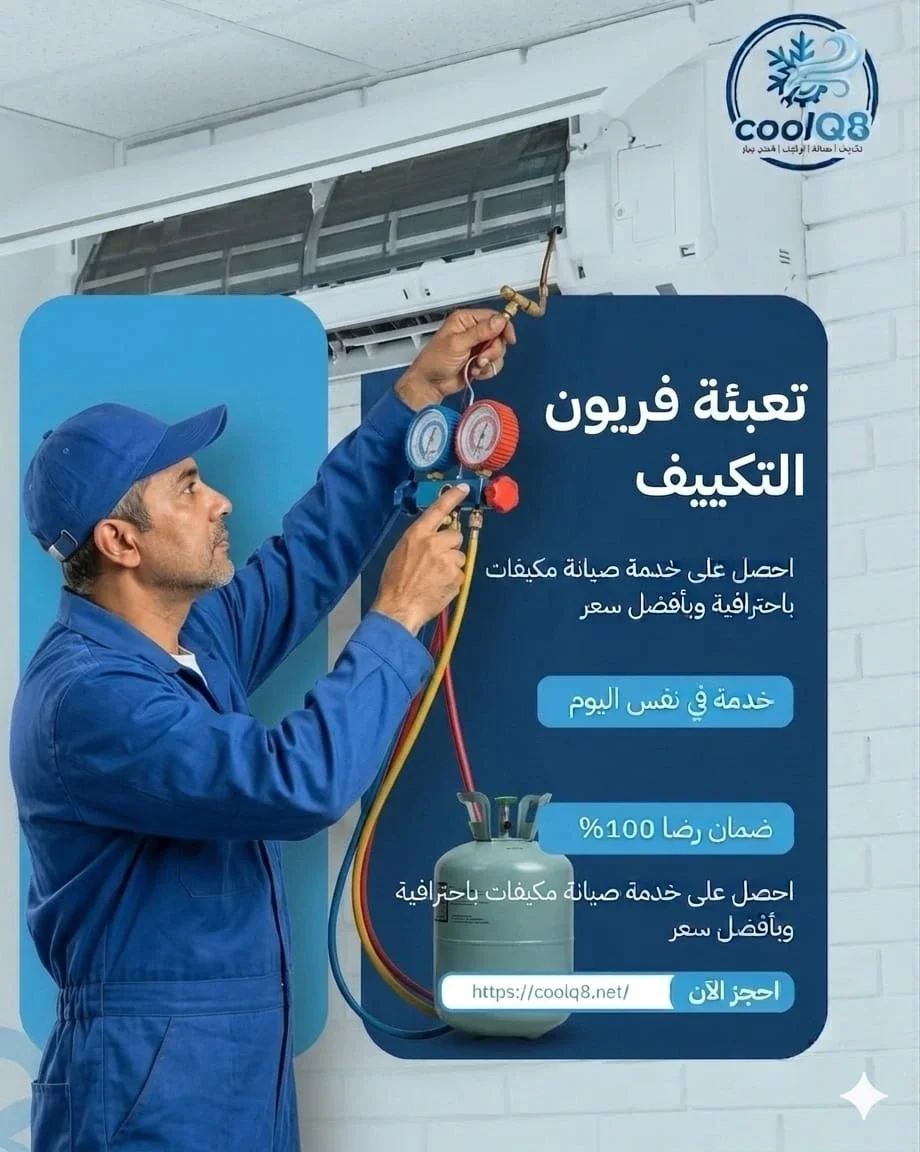
Is Refrigerant Loss Normal Over Time
Some homeowners believe that an air conditioner loses part of its refrigerant with every passing summer and that refilling it after several years is normal, much like changing the oil in a car. However, refrigerant is not consumed while an air conditioner operates. Instead, it continuously circulates within a closed circuit designed to retain it. If the amount decreases, this should not be considered an inevitable consequence of the equipment's age before checking for a leak or another cause of refrigerant loss. At the same time, an older air conditioner may cool less effectively without losing any refrigerant at all. This article explains the difference between equipment aging and refrigerant loss, how to understand the causes of recurring shortages, and how to make an appropriate decision about repair or replacement.
Low Refrigerant

Low refrigerant is not a natural consequence of an air conditioner getting older when the system is functioning properly. Refrigerant does not leave the equipment during the normal cooling cycle, nor does it turn into another substance that gradually disappears during operation. Instead, it moves through the pipes and components designed to contain it, changing its state, pressure, and temperature as it circulates. The cycle then repeats for as long as the system operates.
However, the fact that the circuit is designed to be closed does not mean that a leak can never develop during the equipment's lifetime. A connection or component may be affected by aging, vibration, corrosion, or installation conditions, allowing some refrigerant to escape. In that situation, the shortage results from a loss of circuit integrity rather than the normal consumption of refrigerant.
It is also important to distinguish between a decrease in refrigerant quantity and a reduction in cooling performance. Dust may accumulate on air conditioner components, airflow may become restricted, or an electrical or mechanical fault may affect performance without changing the amount of refrigerant. The condition of the charge therefore cannot be determined from the air conditioner's age or the temperature of the discharged air alone.
Suppose an air conditioner has been operating for years and begins taking longer to cool a room. Its owner may assume that the refrigerant has run out because the equipment is old, while an inspection reveals that the charge is correct and the problem lies in another component. The opposite may happen with a relatively new air conditioner that develops a leak requiring repair. The equipment's age is not enough to distinguish between these situations.
The appropriate response to low refrigerant begins with understanding why the charge was lost, then determining whether the cause can be repaired and whether the equipment remains suitable for continued use. Repeatedly adding refrigerant without identifying why its quantity has decreased may turn a repairable problem into a recurring expense that does not provide a lasting solution.
To understand the nature of refrigerant loss, consider the following facts:
- Time alone does not consume refrigerant: A properly functioning air conditioner does not need refrigerant added simply to compensate for years of use because the refrigerant remains inside the circuit during normal operation as long as its components and connections retain their integrity.
- A confirmed shortage requires investigation: When appropriate inspection procedures confirm that the charge is below the required amount, the possibility of a leak or refrigerant loss during previous technical work should be reviewed instead of describing the shortage as something that normally happens in older equipment.
- Reduced cooling does not necessarily mean a lower charge: Air conditioner performance may change because of an airflow problem, reduced heat transfer, or a fault affecting one of its components, so diagnosing weak cooling must be distinguished from determining the amount of refrigerant present in the system.
- A new air conditioner is not immune to leaks: A fault may develop in a connection or component even in equipment that has not been installed for very long, so the possibility of refrigerant loss should not be ruled out solely because the air conditioner is relatively new.
- Adding refrigerant does not repair the cause of its loss: If the circuit allows refrigerant to escape, replacing the missing amount without repairing the leak leaves the underlying problem unresolved and may result in another service visit later.
Does Refrigerant Decrease Over Time?
The direct answer to does refrigerant decrease over time is that its quantity may fall when refrigerant escapes from the cooling circuit, but it does not naturally decrease simply because the air conditioner operates every day. The confusion arises because users notice changes in equipment performance after a period of use and associate the passage of time with refrigerant loss without an inspection confirming that connection.
One air conditioner may operate for years without needing additional refrigerant, while another may require a leak repair after a shorter period. This depends on the condition of the circuit, connections, and components, installation conditions, and any technical work performed on the equipment rather than a fixed refilling schedule.
A decrease in the charge must also be distinguished from refrigerant loss during maintenance. If a particular repair requires the refrigeration circuit to be opened, the existing refrigerant must be handled according to appropriate technical procedures. The circuit may then need its charge restored or adjusted according to the equipment's requirements. However, this does not mean that the refrigerant ran out on its own.
For example, a homeowner may notice reduced cooling after moving an air conditioner from one room to another. They may believe that the refrigerant has decreased because the equipment has been operating for a long time, while the problem may be associated with a connection that needs inspection after reinstallation or another issue within the system. This cannot be determined without examining the equipment.
High outdoor temperatures in Kuwait may also place an air conditioner under a greater cooling load during certain periods, but this does not mean that refrigerant is consumed more quickly. Increased cooling demand may affect operating conditions, while refrigerant loss remains a separate issue that requires an identifiable cause.
The following comparisons help explain when a decrease in refrigerant may be worth investigating:
- An air conditioner that has operated for years without problems: There is no need to add refrigerant simply because the equipment has been in use for a certain period if it is operating appropriately and no inspection results indicate refrigerant loss.
- An air conditioner whose performance has declined over a short period: The reasons for the change in cooling should be evaluated rather than assuming that refrigerant is decreasing rapidly because the problem appearing suddenly or gradually is not enough on its own to determine the condition of the refrigeration circuit.
- An air conditioner that has been relocated or repaired: If the problem appears after work has been performed on the connections or refrigeration circuit, it is appropriate to review what was done and verify the system's integrity without treating the previous work as the confirmed cause before inspection.
- An air conditioner that runs for longer periods during summer: Longer operating hours do not mean that refrigerant is consumed at a higher rate, so room conditions and the equipment's condition should be assessed if performance becomes inadequate instead of automatically requesting a seasonal refill.
- An air conditioner that repeatedly needs additional refrigerant: Repeatedly needing to restore the charge calls for investigating the cause of the loss and confirming that it has been repaired because continually adding refrigerant should not be considered a normal part of air conditioner use.
How Long Does Air Conditioner Refrigerant Last?
The lifespan of air conditioner refrigerant is not measured by the number of years it has remained inside the equipment in the same way that the lifespan of certain consumable materials is measured. Refrigerant is designed to circulate within the system and perform its function through repeated operating cycles. It does not need periodic replacement simply because a specified amount of time has passed.
The lifespan of the air conditioner itself is different from the length of time its refrigerant remains inside the circuit. Fans, the compressor, or electrical components may develop faults or experience wear during use while the refrigerant remains inside the system. The equipment's age should therefore not be used as evidence that the refrigerant has become unsuitable or lost its ability to provide cooling.
However, certain situations require the existing charge to be handled for technical reasons. If the circuit becomes contaminated or undergoes a repair that requires it to be opened, special procedures may be necessary depending on the system type, its condition, and the manufacturer's instructions. A decision to replace the entire charge cannot be generalized to every fault or every type of air conditioner.
It is also important to understand that air conditioners use different refrigerants and that each model has specific requirements. When repairing older equipment, its data plate and specifications should be consulted to identify the appropriate refrigerant and the service procedures compatible with it. It should not be assumed that using a newer refrigerant will automatically improve the equipment's performance.
For example, if an older air conditioner is operating properly, its refrigeration circuit has not been opened, and no leak or contamination has been confirmed, there is no technical need to replace the refrigerant simply because the equipment has been in use for a long time. If the circuit requires repair, however, the procedure for handling the charge is determined by the nature of that repair rather than the age of the refrigerant alone.
This is where the distinction between maintaining the air conditioner and servicing its refrigerant becomes important. Cleaning the equipment and inspecting its components may be necessary depending on their condition, but that does not mean the refrigerant itself needs to be changed during every maintenance visit.
When assessing how long refrigerant lasts, keep the following in mind:
- Refrigerant does not have a periodic replacement date based on age: A date for changing refrigerant should not be set according to the air conditioner's age alone because the need to handle the charge is determined by the refrigeration circuit's condition and the actual repair requirements.
- Aging components do not mean that the refrigerant has expired: The equipment may need a fan, compressor, or another component repaired without any reason to change the refrigerant, so each part must be evaluated according to its condition rather than associating every fault with the age of the charge.
- Refrigeration circuit contamination differs from refrigerant aging: If the technician suspects contamination inside the circuit, its source and the appropriate corrective procedures must be determined according to the system's condition rather than assuming that every old refrigerant charge has become contaminated.
- The refrigerant type is determined by the equipment's specifications: The model's data must be consulted when performing repairs, and the refrigerant should not be replaced randomly with another type because compatibility with the system's components and operating requirements is essential.
- Repair work may require the charge to be handled: If the work requires opening the circuit or replacing one of its components, appropriate procedures for recovering refrigerant, preparing the system, and recharging it when necessary must be followed according to the specifications.
Causes of Low Refrigerant
There are several causes of low refrigerant, but they share one characteristic: refrigerant has escaped from its normal path within the closed circuit. This may be associated with a faulty connection, damage to a component, or technical work that has affected the system's integrity.
The cause should not be determined solely from where the symptoms appear. A cooling problem may be noticeable inside the room while the source of refrigerant loss is in the outdoor unit or a section of the connections between the two units. Identifying the cause therefore requires inspecting potential leak locations according to the equipment type and installation arrangement.
- A connection that is no longer properly sealed: A loose or damaged connection may allow refrigerant to escape gradually, and the location of the fault and the appropriate repair method must be identified rather than assuming that every connection needs to be replaced.
- Corrosion affecting part of the refrigeration circuit: Site conditions or the condition of the components may affect the integrity of certain parts over time, requiring the technician to assess the damaged section and determine whether it can be repaired or needs replacement according to the equipment's specifications.
- Mechanical damage to a pipe: A pipe route may be affected by improper bending, friction, or damage during construction or maintenance work, so the affected section should be reviewed when there are indications suggesting possible refrigerant loss.
- A problem appearing after connections have been modified: If the charge decreases after the air conditioner has been relocated or its pipe route changed, the connections and completed work should be reviewed without assuming that the modification is the confirmed cause before inspection.
- A previous repair that did not include verification of circuit integrity: Refrigerant loss may continue if its source was not properly addressed, so the repair history and current inspection results should be reviewed when the charge repeatedly needs to be restored.
Air Conditioner Refrigerant Leaks

An air conditioner refrigerant leak occurs when refrigerant escapes through a section of the circuit that is no longer properly sealed. The leak may be in a visible, easily accessible location or within a component requiring a more specialized inspection. Its exact location cannot be determined from reduced cooling performance alone.
Finding the source of the leak is an essential step before deciding on the repair. One situation may require a connection to be repaired, while another may call for assessing a damaged component and determining whether repair is possible or replacement is more technically appropriate.
- Identifying the leak location rather than merely confirming that a leak exists: The inspection should establish where refrigerant is escaping as precisely as possible so that repair work targets the part responsible for the problem rather than making random modifications to components that are functioning correctly.
- Choosing a detection method suitable for the circuit: A qualified technician uses equipment and procedures compatible with the system type and condition because locating a leak requires an appropriate method and should not depend on guesswork or visual observation alone.
- Assessing whether the damaged component can be repaired: The required corrective action varies according to the leak location, component condition, and manufacturer's instructions, so repairing a connection may be appropriate in one situation while damage to another component may require a different procedure.
- Verifying circuit integrity after the repair: Performing corrective work at the suspected location is not sufficient without checking the result using appropriate inspection procedures because a continuing leak may cause the refrigerant charge to decrease again.
- Not releasing refrigerant during service work: The refrigerant inside the circuit must be handled using suitable equipment and technical procedures because deliberately discharging it into the atmosphere is not an acceptable way to make repairs or recharging easier.
Refrigerant Loss in Air Conditioning Systems
Refrigerant loss in air conditioning systems refers to part of the existing charge escaping from the system. The loss may occur gradually through a small leak or be associated with a more significant fault that causes a noticeable decline in performance over a shorter period. However, how quickly the problem becomes apparent is not enough on its own to determine the amount of refrigerant lost or the location of the fault.
Understanding the history of the problem is important because it helps the technician establish whether previous observations or maintenance work may be relevant. Estimating the amount lost, however, requires appropriate technical procedures. It cannot be calculated simply from the number of days during which cooling performance has been weak.
- Gradual loss that may be difficult to notice early: The condition of the charge may change as a small leak continues without immediately producing an obvious problem, so inspection results must be evaluated rather than estimating the amount lost solely from how long the equipment has been used.
- Loss associated with visible damage to a component: If part of the refrigeration circuit has sustained obvious damage, its integrity must be assessed and the refrigerant handled according to appropriate procedures before attempting to operate the air conditioner again.
- Loss appearing after technical work: When the problem develops following maintenance or repairs, documenting the type and timing of the work helps the technician review the relevant components without overlooking other possibilities.
- The difficulty of estimating the amount lost from symptoms: The effect of a reduced charge may vary according to the air conditioner's design and operating conditions, so a particular degree of weak cooling should not be linked to a specific quantity of lost refrigerant without appropriate measurements.
- The importance of determining whether the loss is continuing: If the cause allowing refrigerant to escape has not been repaired, the charge may continue to decrease after refilling, so circuit integrity should be verified before considering the problem resolved.
How the Air Conditioner Refrigerant Cycle Works
To understand why refrigerant is not consumed over time, it is useful to learn about the air conditioner refrigerant cycle. In a typical refrigeration system, refrigerant moves between the main components, changing its state, temperature, and pressure as it absorbs heat from inside the space and releases it outdoors.
Refrigerant passes through the compressor, condenser, expansion device, and evaporator according to the system's design. This cycle allows heat to be transferred without requiring the refrigerant to be discarded after every cooling process or replaced with a new charge.
- The compressor's role in the refrigeration cycle: The compressor raises the refrigerant's pressure and moves it through the system according to the air conditioner's design, but it does not consume refrigerant as fuel or require a new charge after every period of operation.
- Heat transfer at the condenser: Refrigerant releases heat to its surroundings as it passes through the condenser, and its state changes according to operating conditions while it remains inside the circuit rather than normally escaping from it.
- The function of the expansion device: The expansion device helps regulate refrigerant flow and reduce its pressure before it enters the evaporator according to the system's design, and this process does not involve disposing of part of the charge.
- Heat absorption inside the evaporator: Refrigerant absorbs heat from indoor air as it passes through the evaporator and then continues along its route inside the circuit, explaining how the cooling process can be repeated without periodic refrigerant refilling.
- The cycle continuing within a closed system: Refrigerant repeatedly moves between the components during operation, so a decrease in its quantity requires investigating a loss or technical intervention affecting the charge rather than considering it a natural consequence of heat transfer.
Freon Leaks
The expression Freon leaks is commonly used when refrigerant escapes from an air conditioner because part of the circuit is no longer properly sealed. Users may notice the problem after performance deteriorates, but locating the leak requires an appropriate inspection rather than relying on where the symptoms appear.
One mistake that may increase repair costs is repeatedly refilling the equipment without identifying the source of the leak. The homeowner may pay for several service visits while the underlying problem remains unresolved. The objective of the service should therefore be to locate the refrigerant loss, repair it, and verify the result.
- Not treating reduced cooling as evidence of the leak location: The source of refrigerant loss may be in a component far from where the problem becomes noticeable, so the circuit must be inspected according to the relevant technical possibilities rather than focusing only on the indoor unit.
- Avoiding repairs to a component that has not been confirmed as the source: The location of the fault should be established before agreeing to component replacement or extensive work so that the homeowner does not incur the cost of repairs that fail to address the source of refrigerant loss.
- Reviewing the repair result before completing the service: The leak location must be confirmed as repaired using appropriate inspection procedures because adding refrigerant immediately after an unverified repair may conceal a continuing problem for a limited period.
- Clarifying the scope of repair work in the quotation: It is important to know whether the service includes locating the leak, repairing it, inspecting the circuit, and restoring the charge so that the cost of detection is not confused with the cost of repair or refilling.
- Keeping information about the previous leak location: If a similar problem develops later, knowing which part was repaired and the nature of the work performed helps the technician assess the new situation without assuming that the leak has returned at the same location.
Low Refrigerant in Air Conditioning Systems

When dealing with low refrigerant in air conditioning systems in older equipment, a homeowner may face a decision that goes beyond the cost of restoring the charge: Is the air conditioner worth repairing, or does its overall condition make replacement an option worth considering?
The answer cannot be based on the equipment's age alone. A leak may be limited and repairable, while another air conditioner may have extensive damage to a component alongside other faults. The location of the refrigerant loss, the cost of correcting it, and the equipment's overall condition must therefore be established before making a decision.
- Comparing the cost of leak repair with the equipment's condition: If the air conditioner operates appropriately apart from a specific fault in the circuit, it may be useful to evaluate the cost of repairing it in relation to its overall condition rather than deciding to replace it simply because the refrigerant charge is low.
- Determining the extent of damage to the component responsible for the loss: The practicality of repair varies according to the nature of the damaged part, accessibility, and the availability of suitable components, so a clear diagnosis should be obtained before approving expensive work.
- Considering other faults that already exist: If the equipment has several problems unrelated to the refrigerant charge, the cost of addressing them must be included in the comparison rather than evaluating the refrigerant leak repair separately from the rest of its condition.
- Not relying solely on the cost of refilling: Restoring the charge may appear less expensive than repairing the source of the loss, but repeating the service does not provide a lasting solution if the leak remains, so the full scope of the required corrective work must be considered.
- Comparing the options without assuming that newer equipment is always better: The decision to repair or replace an air conditioner depends on its condition, specifications, required repair costs, and the household's needs. It cannot be settled solely by the equipment's age or the presence of a leak.
Air Conditioner Refrigerant
When discussing air conditioner refrigerant, it is important to understand that the commonly used term Freon does not necessarily refer to a single type of refrigerant. Equipment specifications vary, and the refrigerant specified for each air conditioner must be used when service work is performed.
Selecting a refrigerant based on price or availability without reviewing the air conditioner's requirements is not recommended. Replacing the existing refrigerant with another type is also not a simple procedure for improving the performance of older equipment because component compatibility and operating requirements must be evaluated according to the system's specifications.
- Consulting the air conditioner's data plate: The equipment's data provides essential information that helps the technician identify the required refrigerant type, so it should be relied upon instead of guessing or using the refrigerant found in other air conditioners in the home.
- Distinguishing refrigerant type from charge quantity: Knowing which refrigerant is suitable does not mean that any amount of it will be correct because the charge quantity must also comply with the equipment's specifications and connection requirements.
- Not mixing refrigerants randomly: The service procedures and refrigerant type approved for the system must be followed because adding a different type without appropriate technical approval may create operating conditions incompatible with the air conditioner's design.
- Not changing refrigerant simply because the equipment is old: If the air conditioner operates with its specified refrigerant and no technical situation requires the system to be modified, its age alone should not be considered sufficient reason to use another type.
- Choosing a technician who can explain the equipment's requirements: It is preferable for the service provider to explain the appropriate refrigerant type, why the charge needs to be handled, and which procedure is required rather than presenting a refrigerant change as a general solution to every cooling problem.
How Can You Avoid Repeated Refrigerant Refill Costs Without Solving the Problem?
If you have previously paid for a refrigerant refill and weak cooling has returned, you should not assume that the air conditioner needs another quantity of refrigerant every time its cooling performance declines. The more important question is what was confirmed during the previous visit and whether a leak was identified and repaired or refrigerant was added without establishing the cause of the problem.
The previous service may genuinely have corrected a low charge while leaving the source of refrigerant loss unresolved. Alternatively, the original problem may have been associated with another fault that was not detected, making repeated refrigerant additions ineffective. In both situations, a clear diagnosis helps identify the required action instead of continuing to pay for the same service.
- Ask about the cause of the shortage confirmed by inspection: The technician should explain whether a leak or another cause of refrigerant loss was identified because understanding the reason is more important than simply knowing that a quantity of refrigerant was added to the equipment.
- Request an explanation of the work intended to prevent the problem from recurring: If a leak has been confirmed, it is important to understand how it will be repaired and how the technician will verify the repair result before restoring the charge.
- Keep details of previous service visits: Recording when the problem appeared and the nature of the repairs performed helps clarify whether the symptoms recur after a particular intervention or appear under different conditions.
- Compare repair quotations according to the scope of work: A quotation that includes leak detection, repair, and inspection may be entirely different from a price for adding refrigerant alone, so the included services should be understood before making a decision based solely on the total amount.
- Do not approve component replacement without a clear technical explanation: If the technician proposes replacing part of the refrigeration circuit, request an explanation of the confirmed fault and how it relates to refrigerant loss so that the decision is based on the equipment's actual condition.
Conclusion
Refrigerant loss is not a natural consequence of time passing in a properly functioning air conditioner because refrigerant is not consumed during operation. Instead, it continues circulating within a closed circuit. An air conditioner's efficiency may decline as it ages for several reasons without its charge decreasing, while newer equipment may lose part of its refrigerant because of a leak or a faulty component.
Refrigerant refilling should therefore not be tied to a fixed schedule or treated as part of routine maintenance for every air conditioner. If a shortage is confirmed, the priority becomes identifying and addressing the cause of the loss before performing the appropriate service according to the equipment's specifications.
When the charge repeatedly needs to be restored, it is preferable to review the practicality of repair, the air conditioner's condition, and the cost of the required work rather than continuing to add refrigerant without addressing the cause. Maintaining air conditioning performance in Kuwait begins with understanding the actual problem, not assuming that refrigerant runs out whenever another summer passes.
Frequently Asked Questions
Is refrigerant loss normal after several years of air conditioner operation?
No. The passage of time does not consume refrigerant inside a properly functioning air conditioner. If a decrease in the charge is confirmed, the cause of the loss should be investigated, such as a leak or refrigerant loss during previous technical work.
Can an air conditioner operate throughout its lifespan without a refrigerant refill?
Yes. An air conditioner may continue operating without needing additional refrigerant as long as its refrigeration circuit remains intact and no work has been performed that requires the charge to be changed. There is no fixed period after which refrigerant must automatically be added.
Does an older air conditioner lose refrigerant faster than a new one?
This cannot be generalized. Some components in older equipment may be affected by corrosion or damage, but refrigerant loss depends on the condition of the refrigeration circuit and its connections rather than the air conditioner's age alone. A leak may also develop in newer equipment.
Does air conditioner refrigerant lose its cooling ability over time?
Refrigerant is not expected to lose its ability to perform its function simply because it has remained inside an intact circuit for years. If the equipment's performance declines, the cause must be identified rather than assuming that the refrigerant has become old and needs replacement.
What is the most important cause to investigate when refrigerant is low?
The cause of refrigerant loss should be investigated, particularly the possibility of a leak in the refrigeration circuit. However, identifying the location and nature of the fault requires an appropriate technical inspection, and its source cannot be confirmed from symptoms alone.
Can refrigerant decrease without an obvious leak?
Yes. The leak may be small or located somewhere the user cannot see. Not noticing escaping refrigerant or visible damage does not rule out a leak, so suitable detection methods may be required to locate the source of the loss.
Does running an air conditioner for long hours consume refrigerant?
No. Longer operating hours do not mean that refrigerant is consumed because it circulates within a closed circuit while the equipment operates. Operating conditions may affect performance, but they do not cause refrigerant to run out naturally.
Does refrigerant need to be changed during routine air conditioner maintenance?
Not simply because maintenance is being performed. The equipment may need cleaning or inspection of certain components without any intervention involving the refrigerant charge. The need to handle refrigerant is determined by the system's condition and the nature of the required work.
Is it better to refill the refrigerant or repair the leak?
If a leak is confirmed, addressing its source and verifying circuit integrity are essential steps before restoring the charge. Adding refrigerant alone leaves the cause of the loss unresolved and may result in the problem recurring.
When is replacing an air conditioner more appropriate than repairing a refrigerant leak?
The decision depends on the leak location, the extent of component damage, repair costs, the equipment's overall condition, and the household's needs. These factors should be evaluated together rather than deciding to replace the air conditioner solely because of its age or a reduced refrigerant charge.